Loading...
Serving Daytona Beach, FL and surrounding areas. (386) 278-1903
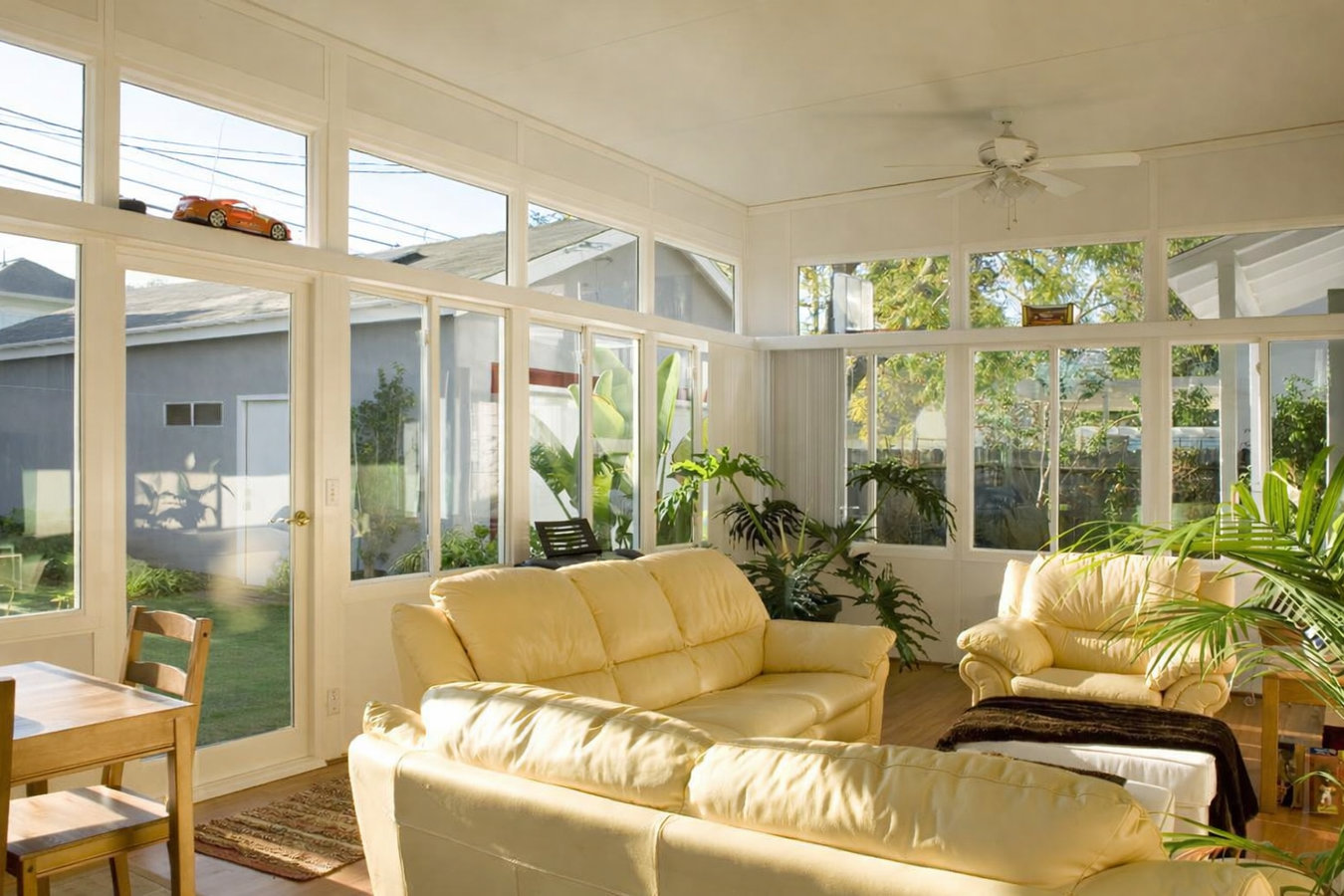
A vinyl sunroom that cannot handle Daytona Beach's heat, salt air, and hurricanes is not the right sunroom. We build every room to Florida's coastal standards - permitted, inspected, and ready for year-round use.
A vinyl sunroom in Daytona Beach is an enclosed addition to your home built with a vinyl frame system and large glass or panel sections, with most installations taking three to seven days of construction time and a total project timeline of six to ten weeks from first call to final inspection.
Most homeowners who look into vinyl sunrooms in Daytona Beach are dealing with one of a few situations: a screened porch they can only use four months a year, a home that feels too small but does not warrant a full addition, or an older enclosure that has failed and needs replacing. Vinyl is a practical choice for this climate because it does not rust, rot, or need repainting, and it handles the salt air and humidity that come with living near the Atlantic coast. The details that separate a good installation from a poor one are the glazing choice, the hardware specification, and whether the whole project goes through the proper permit and inspection process.
Homeowners who want to think through the layout, orientation, and materials before committing to a specific frame system often start with a sunroom addition consultation that covers all the options before narrowing to vinyl.
If your existing porch or lanai is screened but not enclosed, Florida's summer heat, afternoon thunderstorms, and no-see-um season probably push you inside for most of the year. A vinyl sunroom turns that same footprint into a space you can actually enjoy in July and August - with the bugs out, the rain out, and the temperature manageable.
Daytona Beach's housing stock includes a lot of mid-century and 1970s-era homes built smaller than what families expect today. If you are wishing for a casual sitting room, a home office space, or somewhere to put a dining table that is not the kitchen, a vinyl sunroom addition is often the most cost-effective way to add that space.
If you have an older aluminum or acrylic porch enclosure and you are seeing fog or moisture trapped between panels, the seals have failed. In Daytona Beach's humidity, failed seals lead to mold and mildew growth inside the panels - and once that starts, cleaning does not fix it. Replacing the enclosure with a properly sealed vinyl sunroom solves the problem at the source.
If your screened porch or older enclosure took damage in a recent storm - bent frames, torn screens, cracked panels - that is a natural moment to consider upgrading to a structure built to current wind-resistance standards. A vinyl sunroom built to today's Florida requirements is engineered to handle the kind of storms that come through Volusia County.
We install vinyl-framed sunrooms for Daytona Beach homeowners across the full range of project types - from basic three-season enclosures that keep out rain and bugs, to fully insulated rooms with heat-blocking glazing designed to stay comfortable in Daytona Beach's summer heat. Every project begins with a site visit where we measure the space, assess the existing slab or foundation, and walk through glazing options based on how the room faces and how you plan to use it. Homeowners who want a room that functions as a true year-round living space typically choose insulated vinyl with sunroom addition construction standards - full insulation, hurricane-rated glass, and a connection to the home's existing HVAC system.
For homeowners who already have a screened enclosure and want to upgrade it, a vinyl conversion is often the fastest and most cost-effective path because the existing slab and sometimes the existing frame can be reused. We pull every permit and handle every inspection - city or county depending on your address - so you are never the one managing the paperwork. Homeowners who want to explore what is possible before committing to a specific layout or frame system often find that working through a three-season sunroom comparison is a useful early step, since understanding the trade-offs between comfort levels and cost helps narrow the decision quickly.
Suits homeowners who want bug and rain protection at a lower cost - ideal for Daytona Beach's mild winters and any season when the temperature is manageable.
Suits homeowners who want a fully usable room in July - insulated panels with heat-blocking coatings keep the space comfortable even on Daytona Beach's hottest days.
Suits homeowners who already have a slab and frame in place - converting an existing screened area to a vinyl sunroom is faster and lower cost than starting from scratch.
Daytona Beach sits close enough to the Atlantic that salt air is a daily presence - and it works on building materials every single day. Vinyl frames handle salt air better than aluminum or wood, but the seals, hinges, locks, and any metal fasteners used in your sunroom still need to be rated for a coastal environment. This is the detail that separates a room that looks and functions correctly after ten years from one that starts corroding at the hardware within three. Florida also requires that any new sunroom addition in Volusia County meet wind-resistance standards for the region - which means the glass panels, frame connections, and roof system must all be engineered and inspected, not just assembled and finished. That requirement adds time and some cost to the front end of the project, but it also means your finished room is built to handle what actually comes through this coast during storm season.
Daytona Beach homeowners in communities like Holly Hill and South Daytona face the same permit and climate requirements, and we work across all of those areas regularly. Homes built in the 1960s through 1980s - a large share of Daytona Beach's residential stock - often have slabs or existing enclosures that may need assessment before a vinyl sunroom can be properly attached. We check all of that during the site visit so nothing shows up as a surprise once the project is underway. For homeowners who want to understand how the U.S. Department of Energy describes energy-efficient glazing choices, their window technology overview is a reliable starting point for understanding what low-e coatings actually do.
When you reach out, we ask a few quick questions about the space, your existing slab or foundation, and whether your neighborhood has an HOA. We schedule a site visit within a few days - we reply within one business day of your inquiry.
We come to your home, measure the space, and walk through panel type and roof style options. You leave with a written estimate that breaks down the full cost - foundation, materials, and permit fees included.
Once you sign a contract, we submit the permit application to the City of Daytona Beach or Volusia County, depending on your address. If your neighborhood has an HOA, we handle that submission first. This phase typically takes two to four weeks.
Most vinyl sunroom installations take three to seven days of construction. After installation, a city or county inspector confirms the room was built to code. We are present for the inspection and walk through the finished room with you before you sign off.
We respond within one business day. No pressure - just a site visit, accurate measurements, and a written quote you can compare.
(386) 278-1903Homes within a few miles of the Atlantic face salt-laden air that corrodes standard hardware within a few years. We specify marine-grade fasteners, hinges, and locks on every Volusia County project - your sunroom will still look and function correctly a decade from now. Florida Sea Grant has useful guidance on coastal construction materials and durability.
Daytona Beach averages more than 230 sunny days per year. We specify heat-blocking glazing panels on every project so your sunroom stays comfortable even in July - not a greenhouse by mid-morning.
An unpermitted sunroom can stop a home sale or void your insurance coverage. We handle every permit application, plan review, and inspection scheduling - city or county, depending on your address. The closed-out permit paperwork is yours when the job is done.
Many Daytona Beach communities - including LPGA International, Pelican Bay, and Latitude Margaritaville - require HOA approval before any exterior addition. We prepare and submit that paperwork alongside the permit application so you are not managing two separate approval processes yourself.
Salt-air hardware, heat-blocking glazing, a full permit record, and HOA submission handled alongside the build - those four things together are what make a vinyl sunroom in Daytona Beach a good investment rather than a problem to manage a few years from now.
Add a fully enclosed room to your home that works as permanent living space - permitted, insulated, and built to Florida's coastal wind requirements.
Learn MoreA more affordable enclosed space that keeps out rain and insects - the right choice when full climate control is not the priority.
Learn MorePermit slots fill up before storm season - reach out now to get your site visit scheduled and your project in the queue before the next busy stretch.